Understanding the Growing Threat of Counterfeit Goods to U.S. Businesses and Consumers
As counterfeit markets continue to evolve and expand globally, the economic, social, and health-related impacts of counterfeit goods are becoming a major concern for businesses, governments, and consumers alike. The U.S. Patent and Trademark Office (USPTO), alongside the Federal Research Division (FRD) of the Library of Congress, has provided detailed insights into the nature of this growing challenge in their recent report, “U.S. Intellectual Property and Counterfeit Goods—Landscape Review of Existing/Emerging Research” (2020) .
Counterfeiting: A Leading Global Criminal Enterprise
Counterfeiting is now the largest criminal enterprise in the world, with illicit trade in counterfeit goods surpassing $1.7 trillion annually . This illegal activity significantly impacts the global economy, costing billions of dollars in lost revenue, intellectual property infringement, and the undermining of legitimate businesses.
A staggering 80% of counterfeit goods are produced in China, and between 60-80% of these products are purchased by American consumers . The scale of this enterprise has far-reaching implications for both domestic markets and international trade. From clothing and luxury goods to pharmaceuticals and electronics, nearly every industry is affected by the counterfeit market.
The Role of Technology in Facilitating Counterfeit Trade
One of the key trends identified in the USPTO report is the role of technology in the growth of counterfeit trade. The rise of e-commerce and online shopping platforms such as Amazon, eBay, and Alibaba has made it easier for counterfeiters to reach a larger audience with minimal risk. With the anonymity of online transactions and the global nature of the internet, counterfeiters can easily market fake goods and ship them worldwide with little fear of detection or reprisal .
Moreover, the trend of shipping small parcels has become a favored method of transporting counterfeit goods, allowing these illegal products to slip through customs more easily. Between 2011 and 2018, the volume and value of counterfeit goods shipped in small parcels increased by 48% and 104%, respectively . This shipping method not only makes it more difficult for authorities to detect and intercept counterfeit items but also enables counterfeiters to target consumers directly through popular e-commerce platforms.
The Impact on the U.S. Economy and Consumer Safety
Counterfeiting poses significant risks to the U.S. economy, costing businesses over $200 billion annually and leading to the loss of more than 750,000 jobs . The presence of counterfeit goods in the market undermines legitimate brands, diminishes consumer trust, and discourages innovation by reducing the incentives for companies to invest in new products and technologies.
In addition to the economic costs, counterfeit goods also present serious health and safety risks. Counterfeit pharmaceuticals, electronics, and personal care products are especially dangerous, as they often do not meet safety standards and can cause harm to consumers. Despite the well-documented risks, there are still no quantifiable data points that establish the exact prevalence of counterfeit goods leading to injuries .
The Challenges of Combatting Counterfeit Trade
Despite efforts to combat counterfeit trade, challenges persist due to a lack of comprehensive data and research. Seizure data, which documents the number of
Americans, reflecting the widespread availability of counterfeit items in the U.S. market. The counterfeit industry has grown at such an alarming rate that it now exceeds both drug and human trafficking in terms of value .
The Economic Impact on U.S. Businesses
Counterfeiting imposes severe financial consequences on businesses across various sectors, from fashion to pharmaceuticals. The report highlights that counterfeit goods cost U.S. businesses more than $200 billion a year, leading to the loss of over 750,000 jobs . The impact on industries that rely heavily on intellectual property, such as technology and luxury goods, is particularly devastating. When consumers unknowingly purchase counterfeit products, businesses face diminished trust in their brands, loss of revenue, and increased operational costs, as they must invest more in anti-counterfeiting technologies and legal battles.
In some cases, counterfeit goods also displace legitimate sales abroad, with counterfeit and pirated goods costing the U.S. economy approximately $29 billion annually in displaced sales .
Counterfeiting’s Impact on Public Health and Safety
One of the more alarming aspects of counterfeit goods is the risk they pose to public health and safety. Counterfeit pharmaceuticals, electronics, and automotive parts can be life-threatening, with the report documenting numerous cases where counterfeit products have caused injury or even death . Unfortunately, due to the limited availability of comprehensive data, the true extent of these health risks remains largely unknown. However, the documented cases demonstrate that counterfeit goods not only harm the economy but also endanger consumers’ lives.
The Role of E-Commerce and Social Media in Facilitating Counterfeiting
The rise of e-commerce and social media platforms has dramatically changed how counterfeit goods are marketed and sold. Counterfeiters use these platforms to reach consumers worldwide, often blurring the lines between legitimate and counterfeit products. Counterfeiters take advantage of the anonymity and reach provided by online platforms such as Amazon, eBay, and social media sites to sell fake goods directly to consumers. They use various tactics, including buying fake “likes” or reviews, using legitimate-looking logos, and creating websites that mimic official brands. This digital marketplace has expanded the scale of counterfeit trade, making it more difficult to detect and regulate.
One significant factor is the growth of small parcel shipments. These smaller, more discreet packages make it easier for counterfeit goods to evade customs inspections. From 2011 to 2018, there was a 48% increase in the number of small parcels seized, while the value of goods in those parcels more than doubled . This trend has become one of the most significant challenges for authorities trying to stem the flow of fake products into the United States.
Private Sector’s Role in Fighting Counterfeit Goods
The report emphasizes that combating counterfeit trade requires collaboration between the public and private sectors. Many companies have developed strategies to monitor and respond to counterfeit activities, including notice-and-takedown systems that allow brands to flag and remove counterfeit products from online platforms. However, the effectiveness of these strategies is inconsistent across industries and platforms .
E-commerce platforms have also introduced policies aimed at reducing counterfeit sales. For example, companies like Amazon have invested in sophisticated algorithms to detect counterfeit products, and payment processors have started working with rights holders to block transactions linked to counterfeit goods . These initiatives, while important, are not sufficient on their own to solve the problem.
Addressing the Challenges
Despite efforts from both government agencies and the private sector, counterfeit trade continues to thrive, largely due to the lack of comprehensive data and global coordination. The report identifies several key challenges that hinder anti-counterfeiting efforts:
1. Data Limitations: Many studies on counterfeit goods are based on seizure data, which only provides a limited view of the actual volume of counterfeit trade. The report calls for improved data collection methods to better understand the scale of the problem .
2. International Focus: Much of the available research is concentrated on international trade, leaving gaps in understanding the domestic counterfeit market within the U.S. This creates a need for further investigation into domestic counterfeit production and sales .
3. Technological Gaps: While some industries have implemented technology to fight counterfeiting, there is a need for standardized practices and benchmarks to measure the effectiveness of these technologies across sectors .
Conclusion: The Need for Comprehensive Solutions
The fight against counterfeit goods is complex and multifaceted, impacting not only the U.S. economy but also public health and safety. The report from the Federal Research Division and USPTO underscores the need for a more coordinated approach to tackling this global issue. Solutions must include better data collection, stronger international cooperation, and more effective use of technology.
For businesses and consumers, raising awareness of the dangers and consequences of counterfeit goods is crucial. As counterfeit trade continues to grow, understanding the risks and taking preventive measures will become even more essential in safeguarding both economic interests and public well-being.
How Rainfall Can Help Combat Counterfeits and Ensure Consumer Confidence
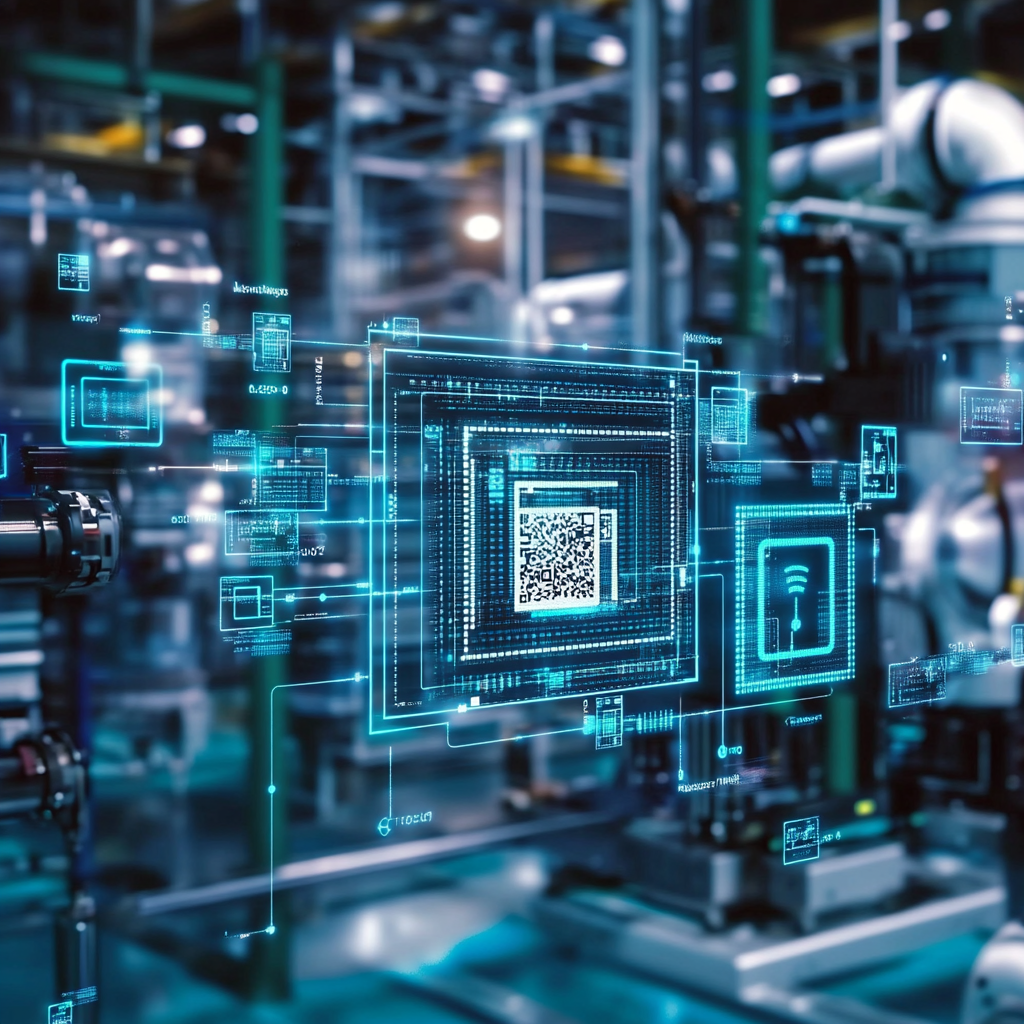
At Rainfall, we are committed to helping brands protect their products and give consumers peace of mind when purchasing goods. By creating a unique digital twin or digital product passport for each item, we offer a cutting-edge solution to combat counterfeiting. Each product is serialized, making it easily identifiable and traceable throughout the supply chain. This serialized identity allows brands to embed technologies such as NFC/RFID tags, QR codes, or leverage advanced AI image recognition. These innovations ensure that each product has a secure, verifiable digital identity that can be scanned and verified at any point—without the need for consumers to download a special app.
For consumers, Rainfall’s solution is as simple as it is effective. They can scan products using their smartphone to instantly verify the authenticity of an item, whether they are in-store or purchasing online. This gives consumers the confidence to know that the product they are buying is genuine, protecting them from the risks associated with counterfeit goods. For brands, the ability to ensure that their customers can easily verify the authenticity of their products helps build trust and loyalty, while safeguarding brand reputation from the damage caused by counterfeit items.
Sources: